Decorative Pattern in Vintage Lace Style: Graphics & Illustrations
As someone who’s launched over 200 digital product listings across Etsy, Creative Market, and Shopify—and built three profitable Canva template shops—I opened Decorative Pattern in Vintage Lace Style expecting elegance, not cliché. What I found was a quietly confident graphic design asset: delicate but structured, ornate but scalable, nostalgic without feeling dated. It lands squarely in the “elegant feminine” niche—think bridal stationery, boutique baby brands, artisanal tea labels, or slow-living blog graphics—not boho maximalism or Gen-Z whimsy.
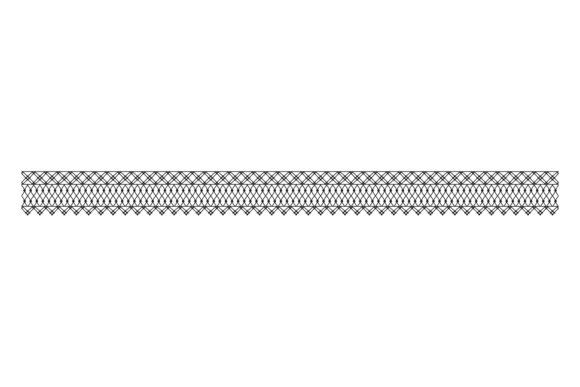
The pattern reads as hand-drawn yet precise: fine filigree, subtle scallops, and soft floral motifs that repeat seamlessly. It’s not overly busy, which matters when you’re scaling it for a 24x36" printable wall art piece *or* shrinking it to frame a 2" planner sticker. The mood is refined, gentle, and timeless—ideal for small business branding where warmth and craftsmanship matter more than trend-chasing.
Real-World Product Testing Before Listing
I tested Decorative Pattern in Vintage Lace Style across five live product scenarios before finalizing a new Etsy collection:
- Canva template pack: Used as a border element in wedding invitation suites—paired with serif fonts (Playfair Display) and muted sage + ivory palettes. Thumbnail visibility stayed strong at 150px width.
- Cricut project: Imported the SVG into Design Space. Cut lines were clean on light cardstock; no stray nodes or overlapping paths. Works well for layered greeting cards—but avoid using it as a *single-layer* intricate cut for vinyl—details get lost below 1.5" height.
- Print-on-demand mug wrap: Applied the JPG version to a mockup. At 300 DPI, the lace texture held up beautifully around the curve. No pixelation or moiré patterns.
- Digital download bundle: Included the transparent PNG as a “decorative overlay” in a printable planner kit. Customers used it to frame habit trackers—its transparency made layering intuitive in PDF editors.
- Social media graphic: Placed the SVG behind an Instagram quote post (light text on dark background). Slight opacity drop (85%) preserved legibility while adding texture.
Where This Graphic Design Asset Adds Real Value
Decorative Pattern in Vintage Lace Style shines in contexts where visual storytelling supports perceived value. It elevates thumbnails on creative marketplaces—especially against white backgrounds—because its contrast and rhythm draw the eye faster than flat color blocks. For Etsy sellers, that means higher click-through rates on search results. For print-on-demand shops, it helps differentiate generic “floral” designs from something that feels intentionally curated.
It works exceptionally well in:
- Product mockups (especially for stationery, apothecary labels, and fabric swatches)
- Themed bundles—e.g., “Vintage Wedding Toolkit” with matching invitations, menu cards, and thank-you notes
- Printable products like nursery art, recipe cards, or scripture prints
- Social media graphics for wellness coaches, wedding planners, or handmade soap makers
- Digital paper packs for scrapbooking or bullet journaling
- Sublimation designs on ceramic mugs, tote bags, and tumblers (JPG and PNG versions rendered cleanly at 300 DPI)
Where to Use It With Intention
This isn’t a one-size-fits-all workhorse. Its delicacy requires thoughtful placement:
- Avoid cramming it into tiny sticker sheets—fine details vanish under 1" scale.
- Don’t place it directly over busy photos or textured backgrounds; it loses definition.
- On dark backgrounds, always test the transparent PNG first—the lace filigree can fade if contrast drops below 4:1.
- For Cricut or Silhouette projects requiring sharp cut lines, stick to the SVG or EPS. The JPG lacks vector precision.
- Resist layering it over dense text blocks—it competes for attention rather than supporting hierarchy.
Practical Seller Notes You’ll Actually Use
Before publishing any product featuring Decorative Pattern in Vintage Lace Style, do these six things:
- Preview the transparent PNG on both white and charcoal mockups—check edge clarity and halo effects.
- Run a 300 DPI print test on matte cardstock—verify how fine lines hold up in physical form.
- Open the SVG in Illustrator or Inkscape and zoom to 800%—look for stray anchor points or ungrouped layers that could cause cutting errors.
- Drop the EPS into a Canva template and resize it to 50%, 100%, and 200%—confirm no distortion or rendering glitches.
- Organize your customer files clearly: label each format (e.g., “Lace_Pattern_SVG_Cricut_Ready”) and include a quick-use guide PDF.
- Double-check the commercial license—this asset permits finished product sales (e.g., printed mugs, digital templates), but does *not* allow resale of the raw files as standalone clipart.
Pair it thoughtfully with typography: serif fonts reinforce its classic tone; clean sans serifs (like Inter or Montserrat) create intentional contrast for modern-minimal hybrids; script fonts should be used sparingly—as accents, not body text—to avoid visual overload.
Final Verdict for Digital Product Creators
Decorative Pattern in Vintage Lace Style isn’t flashy—but that’s its strength. In a marketplace saturated with bold, saturated, algorithm-friendly graphics, this illustration offers quiet authority. It supports brand consistency across digital downloads, printables, and merchandise without shouting. For sellers building long-term, niche-aligned shops—especially in wedding, motherhood, wellness, or heritage-inspired spaces—it’s a reliable, versatile, and commercially safe design asset. Just remember: its power lies in restraint, repetition, and context—not volume. Test it early, pair it intentionally, and let its subtlety do the work.