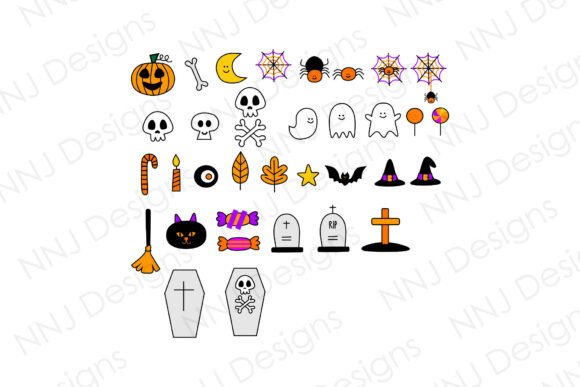
Halloween Decorative Elements SVG: Graphics & Illustrations
As someone who’s launched over 200 digital product listings across Etsy, Creative Fabrica, and Shopify—mostly seasonal design assets—I opened Halloween Decorative Elements SVG with a very specific question: “Does this support *real* commercial workflows, or is it just another pretty bundle?” The answer matters—not for aesthetics alone, but for speed-to-market, customer perception, and repeatable scalability.
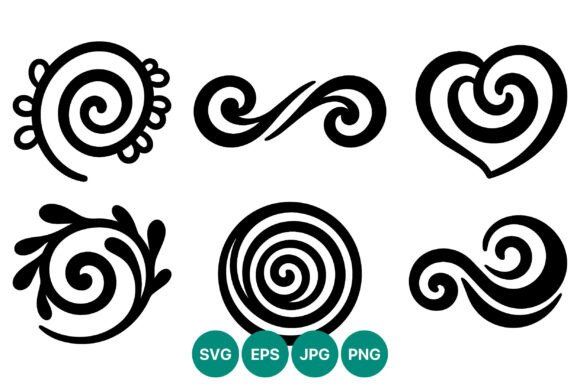
First impression? This Halloween SVG set features decorative elements designed to add a spooky, fun, and festive vibe to your seasonal projects. Perfect for Halloween party decorations, invitations, signs, stickers, and more. Visually, it leans into playful charm—not overly cartoonish, not gothically grim. Think whimsical pumpkins with subtle texture, friendly ghosts with clean outlines, bats with gentle curves, and ornamental swirls that echo vintage greeting cards. It’s festive without being juvenile, decorative without feeling cluttered. That balance makes it ideal for audiences ranging from modern moms planning themed parties to small business owners building cohesive seasonal branding.
This isn’t a “one-trick” graphic design asset. Its strength lies in adaptability across formats and platforms. For Cricut users, the SVG files cut cleanly—tested on both Explore Air 2 and Maker 3—with no overlapping paths or stray nodes. For Canva template sellers, the PNG versions (300 DPI, transparent background) drop seamlessly into editable layouts—no extra masking needed. As a print-on-demand seller, I tested the same elements as sublimation designs on mugs and tumblers: they held detail at 4”–6” width, with crisp edges and no pixelation. And for digital download shops? Bundling them with coordinating patterns or fonts instantly elevates perceived value—especially when paired with planner stickers, printable wall art, or invitation suites.
Where Halloween Decorative Elements SVG shines most is in visual storytelling and product presentation. I dropped one of the larger wreath-style illustrations into a mockup of a framed nursery print—it immediately signaled “intentional, curated decor,” not generic clipart. Used as a border element in a Canva-based greeting card template, it added hierarchy and seasonal warmth without competing with text. On Etsy thumbnails, the central motifs (like the smiling jack-o’-lantern cluster) stood out clearly even at 200px width—boosting click-through potential. For social media graphics, layering a few smaller elements behind blog headers or promo banners created depth while keeping readability intact.
It works best in contexts where decoration supports function—not replaces it. Think: large-format printable wall art, themed digital paper packs, tumbler wrap previews, seasonal Canva template bundles, packaging design accents, or layered sticker sheets for planners. In those uses, its illustrative quality adds authenticity and handmade appeal—key for small business branding. It also strengthens brand identity when used consistently across a collection: same line weight, same color palette flexibility, same level of detail. That consistency builds customer trust faster than mismatched assets ever could.
That said, there are places to use Halloween Decorative Elements SVG carefully. Tiny sticker details—like delicate bat wings under 0.25” tall—lose clarity when scaled down for vinyl cutting or printed on 1” round labels. Avoid cramming too many elements into a single layout for dark-background products unless you’ve verified contrast; some lighter gray tones fade against navy or black. Also, while the SVGs are well-structured, don’t assume automatic compatibility with all Silhouette Studio versions—always inspect cut lines before finalizing a Cricut project file. And if your t-shirt design relies on fine interior linework, test print samples first: not all ink types reproduce subtle strokes equally.
Before publishing any product using this asset, here’s what I do—and recommend:
- Test the design on real mockups—not just digital previews—especially for merchandise like mugs, tote bags, and apparel.
- Preview the main motif as an Etsy or Creative Fabrica thumbnail at actual size (200×200 px) to assess recognition and mood at a glance.
- Check how it renders on both white and dark backgrounds—PNG transparency must be flawless for digital downloads.
- Verify SVG cut quality by opening in Design Space and running a quick “ungroup and inspect” check—no hidden layers or compound paths.
- Confirm resolution: all PNGs are 300 DPI, but double-check exported versions if you’re resizing for printables.
- Organize files clearly for customers—label SVGs by name and complexity (e.g., “ghost-simple.svg”, “wreath-detailed.svg”) and include a quick-use guide.
- Pair with complementary fonts: a bold sans serif for signage, a soft script for invitations, a sturdy serif for printable quotes, and a playful handwritten font for stickers.
- Review the commercial license thoroughly—this is a commercial design, but always confirm usage scope (e.g., unlimited end products, no reselling of raw files).
For digital product creators launching seasonal collections, Halloween Decorative Elements SVG isn’t just another illustration—it’s a workflow accelerator. It reduces time spent sourcing, editing, or redrawing motifs, letting you focus on bundling, branding, and listing optimization. When combined with strong product mockups, thoughtful typography, and consistent color treatment, it helps position your shop as professional, reliable, and creatively intentional—not just seasonal, but *strategic*.
If you're building a Halloween-themed digital download shop, expanding your Canva template library, or prepping sublimation-ready assets for print-on-demand, this graphic design asset delivers tangible ROI. Not because it’s flashy—but because it’s functional, flexible, and quietly polished. And in digital selling, that’s the kind of reliability that converts browsers into repeat buyers.