Ribbon Hand Drawn Design. Decorative Ban
First Impressions: A Warm, Wistful Vibe—Not Just Another Banner
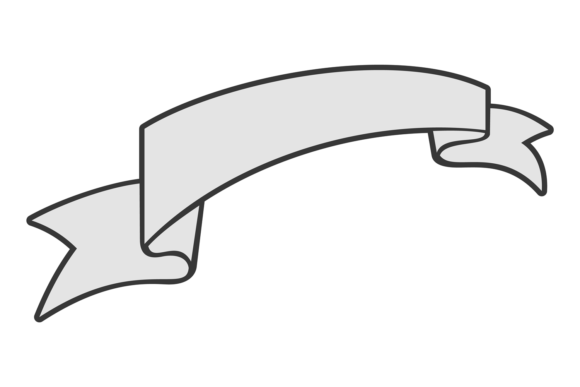
When I opened Ribbon Hand Drawn Design. Decorative Ban, I didn’t see a generic banner—I saw handwriting with breath: slightly uneven curves, tapered ends, and that gentle lift where the ribbon seems to curl just enough to catch light. It’s retro without being kitschy, decorative without overwhelming. The isolation on white tells me this was built for flexibility—not as a standalone print, but as a design asset meant to nestle into real things: a linen tea towel, the chest pocket of an organic cotton apron, or the curved brim of a dad cap. Its charm lies in restraint. No heavy outlines, no over-rendered shadows—just confident line work and intentional negative space. That matters deeply when translating to stitch.
Where It Shines: Real Projects, Not Just Pixels
I tested Ribbon Hand Drawn Design. Decorative Ban as the focal point on a custom embroidered canvas tote for a local botanical shop. We stitched it in soft ecru thread on oat-colored natural canvas—no fill, just clean satin stitch along the ribbon’s edge and subtle running stitch for the inner curve. It looked handmade, not machine-made. Customers paused. They touched it. That’s the quiet power of this design: it reads as intentional, human, and quietly confident.
- Apparel & accessories: Works beautifully on sweatshirts (left-chest placement), lightweight denim jackets, and baby onesies—especially when paired with minimal fill stitch or left as an outline-only embroidery file.
- Patches & layered goods: As an embroidered patch, it holds up well on twill or felt backings. The open shape avoids dense stitch buildup, so it lies flat and wears comfortably.
- Kitchen & nursery items: On linen tea towels or organic cotton crib sheets, its hand-drawn softness complements slow-living aesthetics. It doesn’t shout—it invites closer looking.
- Etsy & boutique branding: As a small shop product, it adds personality without clutter. Think: stitched onto a gift tag, a mini pillow cover for a wedding favor, or a holiday ornament backing.
Where to Proceed Thoughtfully
This isn’t a one-size-fits-all embroidery file—and that’s a good thing. Its character demands context. Here’s where attention pays off:
- Small hoop sizes (under 4”): The ribbon’s flow relies on gentle arcs. Tight cropping can flatten its rhythm. Test the full width—even if you plan to use only part of it.
- Textured or stretchy fabrics: On terry cloth or ribbed knit, satin stitch edges may ripple. Use medium-weight cutaway stabilizer and reduce top tension slightly.
- Dark or heavily printed backgrounds: Since it’s isolated on white, check how the design reads against charcoal, navy, or patterned fabric in a printable mockup first. A single-thread outline may vanish; consider adding a narrow shadow stitch or subtle fill.
- Curved surfaces (caps, mugs, curved pillow seams): The ribbon’s natural drape helps—but avoid placing the tightest curve directly over a seam or peak. Let it follow the contour, not fight it.
- Frequent-wash items (baby clothes, kitchen linens): Avoid ultra-thin thread or low-density fill. Stick to standard 40-weight rayon or polyester, and verify stitch density feels substantial—not wispy—under magnification.
What It Adds Beyond Stitching: Trust, Tone, and Tactile Appeal
Ribbon Hand Drawn Design. Decorative Ban doesn’t just decorate—it signals care. When customers see this on a personalized gift or small shop product, they register intentionality: someone chose *this*, not “any banner.” That builds trust. For Etsy sellers and craft business owners, that nuance translates directly to perceived value and repeat engagement. It also plays well across mediums: use it as an embroidery project centerpiece, then repurpose the SVG or transparent PNG for your shop banner, packaging stamp, or social post—keeping brand consistency tight and tactile.
It’s equally at home in holiday embroidery (think: “Joy” or “Gather” tucked inside the ribbon) or minimalist wedding gifts (“&” or a date rendered cleanly). Because it’s rooted in illustration—not clip art—it avoids looking dated or disposable. That longevity matters when you’re building a library of design assets.
Practical Notes from My Hoop to Yours
Before stitching your first Ribbon Hand Drawn Design. Decorative Ban project, do these five things:
- Test on scrap fabric matching your final material—especially if using textured, dark, or stretchy fabric.
- Check thread color contrast in both natural and artificial light. Soft neutrals often outperform brights here.
- Review stitch density in your embroidery software. If the original file includes fill, ask: does it serve the hand-drawn feel—or muddy it?
- Confirm hoop size compatibility. This design breathes best at 3.5” wide minimum—don’t force it into a tiny 2.5” frame unless simplifying intentionally.
- Inspect corners and taper points at 200% zoom. Are fine details legible? Will they hold up after washing? If unsure, run a black-and-white mockup to assess clarity.
Also: double-check licensing before listing finished products or bundling the digital embroidery file with other design assets. As an Illustrations category graphic, it’s likely intended for commercial embroidery use—but always verify scope, especially for resale or SaaS platforms.
A Design That Earns Its Place—Not Just Fills It
In a sea of over-engineered, overly saturated embroidery files, Ribbon Hand Drawn Design. Decorative Ban stands out by doing less—and meaning more. It’s not flashy. It won’t dominate a busy garment. But it will make someone smile when they spot its gentle curve on a handmade pillow cover, pause mid-scroll on your Etsy listing, or trace its line with a fingertip on a custom apron. That’s the mark of a thoughtful design asset: it serves the product, the person wearing it, and the maker behind it—all at once. Use it where authenticity matters most. And always, always test first.