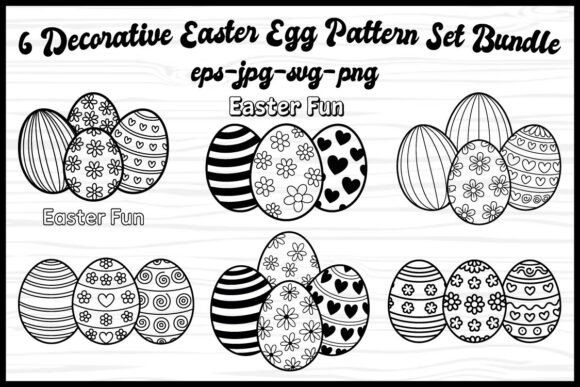
Decorative Easter Egg Pattern Set
A Designer’s First Glance: Light, Lively, and Deliberately Hand-Drawn
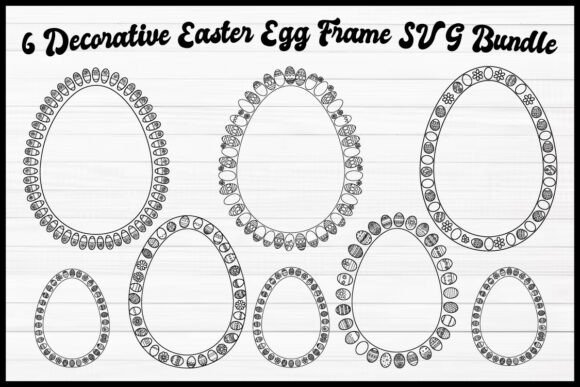
Opening the Decorative Easter Egg Pattern Set, I felt an immediate lift — not just seasonal cheer, but the kind of quiet confidence that comes from well-considered illustration. These aren’t clip-art eggs. Each of the six designs reads as intentionally hand-drawn: soft line weight, organic curves, subtle asymmetry in the florals and swirls, and a gentle rhythm between open space and patterned detail. The egg shape itself is generous and stable — no awkward tapering or exaggerated points — which means it’ll hold up beautifully when translated into stitch. As an embroidery designer who regularly adapts illustrations for real-world stitching, I appreciated how the balance of negative space and motif density avoids visual clutter while still feeling rich and intentional.
Real Project Test: Embroidering a Spring-Themed Kitchen Towel
Last week, I used one of the floral eggs from the Decorative Easter Egg Pattern Set on a 100% cotton tea towel for a small-batch boutique order. The goal was warmth, charm, and clear handmade appeal — no “digital” stiffness. Stitched with matte cotton thread on medium-weight fabric, the design landed exactly as hoped: friendly but polished, decorative without being fussy. Customers responded strongly to the tactile softness of the satin-stitched petals and the clean definition of the running-stitch outlines. That tells me this set works best where authenticity matters — think personalized baby blankets, boutique aprons, or limited-run holiday gifts where the embroidery *feels* like part of the object, not just applied decoration.
Where It Shines (and Where It Needs Thought)
The Decorative Easter Egg Pattern Set excels in projects that benefit from approachable elegance:
- Custom apparel: Works beautifully on sweatshirt cuffs, tote bag corners, or the chest of a relaxed-fit linen shirt — especially when paired with tonal thread for subtle texture.
- Baby embroidery: The rounded forms and gentle motifs read as soothing and age-appropriate on onesies, burp cloths, or nursery pillow covers.
- Embroidered patch: Clean outer edges and moderate detail make any of these eggs ideal for iron-on or sew-on patches — great for craft fairs or Etsy sellers bundling digital + physical options.
- Holiday embroidery: Not overly literal or kitschy, so it bridges Easter Sunday through spring birthdays and Mother’s Day gifting without feeling dated.
But — and this is where experience kicks in — avoid pushing it too far. On thin or highly textured fabrics (like bouclé or loosely woven linen), fine interior details — say, the tiny hearts inside a swirl — may blur or vanish. On dark fabric, check contrast early: light-colored fill stitches can flatten if thread isn’t matte or dense enough. And curved surfaces — caps, mugs, or tapered pillow edges — demand careful placement; the egg’s width needs breathing room. This isn’t a design for ultra-minimalist branding or high-contrast streetwear — it’s for makers who value warmth over wow.
Design Integrity Meets Commercial Practicality
As an Etsy seller and embroidery product reviewer, I pay close attention to how a design affects perceived value and trust. The Decorative Easter Egg Pattern Set elevates handmade presentation without demanding professional-grade equipment. Its consistent line quality and balanced scale mean customers recognize care — whether it’s stitched on a $25 kitchen towel or a $95 custom sweatshirt. That consistency also supports brand cohesion: imagine using one egg on your shop logo tag, another on packaging, and a third as a printable mockup for your digital listing. It feels like a cohesive family of assets — not six unrelated graphics.
That said, don’t assume licensing covers resale. Since this falls under Illustrations and Graphics, confirm whether commercial use includes finished embroidered products *and* redistribution of the digital embroidery file. Many crafters miss that distinction — and it matters if you’re selling stitched patches or offering the design as part of a craft kit.
Five Must-Do Checks Before You Stitch
- Test on scrap fabric first — especially if using stretchy or napped material. See how the swirls and florals translate at actual stitch density.
- Review thread color contrast in natural light. What reads softly on screen may disappear on oatmeal linen or heather grey.
- Confirm hoop size compatibility. These eggs are generously proportioned — they’ll likely need at least a 4x4 hoop, possibly larger depending on your chosen layout.
- Inspect small details in black-and-white mockups. If delicate hearts or fine stripes vanish in grayscale, they’ll struggle in stitch.
- Use appropriate stabilizer. Medium-weight cutaway works well for apparel; tear-away is sufficient for stable home goods like towels or pillow covers.
Final Thought: A Quietly Confident Design Asset
The Decorative Easter Egg Pattern Set won’t shout — and that’s its strength. In a market flooded with loud, trend-driven embroidery files, it offers grounded, repeatable charm. It fits naturally into a craft business’s rhythm: easy to adapt, honest in execution, and versatile across categories — from baby embroidery to holiday merchandise to small shop branding. For designers, Etsy sellers, and handmade shop owners who prioritize clarity, craftsmanship, and customer resonance over flash, this set earns its place in the working library. Just remember: let the hand-drawn honesty lead. Stitch it with intention, test it with care, and let the finished product speak for itself.