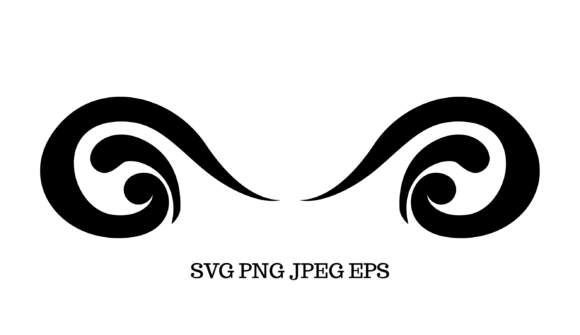
Elegant Decorative Vector Element
A Visual Statement for Branding and Design Projects
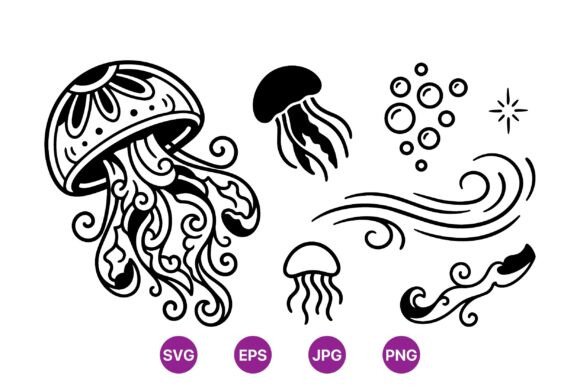
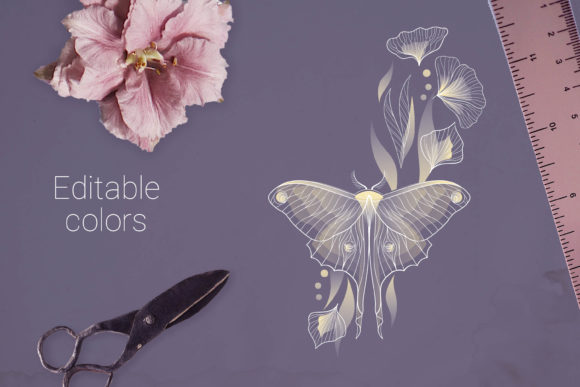
The first time I saw the Elegant Decorative Vector Element, I was immediately drawn to its refined elegance. It carries a subtle sophistication that feels both modern and timeless, making it a versatile asset for a wide range of design applications. The vector element is crafted with clean lines and intricate detailing, which suggests a balance between minimalism and ornate design. This duality makes it particularly appealing for projects that require a touch of refinement without overwhelming the viewer.
Design Fit: From Branding to Social Media
The Elegant Decorative Vector Element is well-suited for creative design projects that lean into decorative aesthetics. Whether it's used in logo design, brand identity, or packaging, it adds a visual layer that elevates the overall look. Its versatility allows it to work seamlessly in both digital and print formats, making it ideal for small business branding, handmade brands, and boutique product lines.
For instance, when working on a seasonal campaign for a local event, this vector element can serve as a central motif in invitations, posters, and social media graphics. It brings a cohesive feel to the project while maintaining an air of elegance that aligns with the event’s theme. In web design and Canva templates, it functions as a strong visual anchor, helping to establish a consistent brand voice and aesthetic.
Where It Works Best: A Designer’s Perspective
The Elegant Decorative Vector Element shines in large layout areas such as hero graphics, product mockups, and decorative panels. It works exceptionally well as a background element in editorial design or as an accent in packaging design. When placed on a product label or a sticker design, it enhances the visual appeal without overpowering the main content.
It also performs admirably in themed collections and campaign visuals, where consistency and style are key. For example, using it across a series of Instagram posts or Pinterest pins can create a unified visual language that strengthens brand recognition. In Cricut projects and printable wall art, the element maintains its quality at various scales, ensuring that it remains visually impactful even when printed at smaller sizes.
When to Use It Carefully: Avoiding Overdesign
While the Elegant Decorative Vector Element is a powerful tool, it should be used with caution in certain contexts. In crowded layouts or complex backgrounds, it may compete with other elements, potentially confusing the viewer. Similarly, in minimalist branding or professional corporate materials, its ornate nature could clash with the desired tone.
Additionally, in low-contrast designs or projects that require very clean visual hierarchy, the vector element might not always enhance readability. It’s important to test how it integrates with typography, especially when paired with serif, sans serif, script, or handwritten fonts. Ensuring that the design remains balanced and functional is crucial for maintaining visual trust and audience engagement.
Practical Designer Notes: Before Going Live
Before incorporating the Elegant Decorative Vector Element into a client project, there are several practical checks to consider. First, test it in black and white to ensure it maintains visual interest without color. Check contrast on both light and dark backgrounds to confirm it remains legible and effective in different environments.
Preview the element at small and large sizes to verify its scalability. Place it on real mockups to see how it interacts with other design components. If applicable, test print quality and inspect PNG transparency for any issues. Confirm SVG or vector editability if you need to modify the design further.
Finally, always review the commercial license terms before using the asset for a client or business project. Ensuring proper licensing is essential for compliance and long-term use, especially in print-on-demand or Etsy product scenarios.
Conclusion: A Reliable Asset for Creative Work
The Elegant Decorative Vector Element is more than just a design asset—it’s a valuable tool for designers looking to elevate their projects with a touch of sophistication. Whether you’re working on a small business branding initiative, a seasonal campaign, or a digital ad, this vector element offers flexibility, elegance, and a strong visual impact.
With careful consideration of its strengths and limitations, it can become a staple in your design toolkit. By understanding its best uses and potential pitfalls, you can confidently incorporate it into your workflow and deliver polished, professional results for your clients.